

When one sets sail into the vastness of the sea, their entire family makes an invaluable contribution to the maritime sector. From celebrating birthdays without a loved one to commemorating anniversaries miles apart and witnessing graduations without the family’s breadwinner at sea, families invest the most precious commodity in this profession: time.
Describing the challenges faced by seafaring families as difficult would be an understatement. No seafarer with a family leaves home without a heavy heart. For many couples, the vow “in sickness and in health, ’til death do us part” becomes more than a mere phrase, as they learn to endure sickness and live with resilience, either alone or far away from each other for many years of their married life.
However, not everyone is capable of enduring such distances and keeping the family intact. The strain of separation can take its toll, testing the strength of relationships and the resilience of families.
BEYOND “YES, I DO”
Seafarers who spend months onboard faces the challenges of maintaining intimacy and open communication with their spouse. Arianne Rocha, founder of Seafaring Family International (SeaFam), believes that these have a direct effect on their parenting.
“How many seafarers’ children become spoiled because their parents tend to compensate for their time away with material stuff? This affects the family dynamic; the way the children look at their mother or the parent left behind,” she stresses.
According to her, aside from the implications in relationship, seafarers and their families are also commonly exposed to the risk of mismanaging finances and their careers.
“Sound financial planning is about setting up for retirement and making the monthly allotment work. Along with this comes career planning. Seafaring is unpredictable and being a contractual worker in a physically-challenging environment makes proper financial planning crucial,” shares Rocha.
Rocha, the wife of the C.F. Sharp head honcho Miguel Rocha, is no stranger to the maritime industry, particularly in the seafaring sector having been part of the seafarer union United Filipino Seafarer (UFS) management and the industry newspaper Tinig ng Marino editorial team for decades.
“In my years in UFS, I have seen grown men cry in despair when they can’t go onboard as their debts grow higher. It affects their mental health, personal relationships, and the future of their families,” Rocha recalls noting the importance of finding a balance between finances and relationships as each goes hand-in-hand and can directly affect the other.
For seafarers, troubles at home do not stay at home as more often, they reach their workplace and affect the quality of their work.
“Long-distance relationships are challenging. Seafarers in particular have really physically challenging jobs and any form of distraction puts them at risk of injuries or worse.”
For this reason, many agencies dedicate programs to ensure that families are taken care of and steer clear of unnecessary worrying of seafarers onboard.
Rocha and her organization, however, are taking this a notch higher.

CARING FOR THOSE LEFT BEHIND
“The hardships go both ways. We always talk about the seafarer or the OFW abroad but how about the people left behind?”
From her experience dealing with wives of CF Sharp seafarers, Rocha attests that many issues go unrecognized at home. Since transnational parents have limited time to be physically together, many brush familial issues aside keeping the problems remain improperly communicated and unresolved.
“That’s why a holistic approach to mental and emotional well-being is crucial. You can’t just focus on the OFWs, you also need to give support to their loved ones left behind.”
With core values encompassing love, empowerment, integrity, compassion, and safety, SeaFam creates a single and collective unit for seafarer family members at home and overseas, providing them the needed wellness support through training and educational seminars.
MAKING A DIFFERENCE
“C.F. Sharp’s family center had been in existence for more than twenty years before they partnered with me. With them, I created proactive outreach programs and a tight-knit community,” Rocha shares about the beginning of her organization.
Taking eight years in the making, SeaFam was carefully crafted to be an inclusive family program that manning agencies can partner with to care for their crew and respective families, curating proactive activities they take pride in.
As Rocha explains, the organization’s official name “Seafaring Family International” says it all.
“Why not “families?” Because we are one family. We are stronger as one. Manning agencies with existing family programs that are truly sincere about giving support to their crew should look at us as partners. Each manning agency we partner with will be provided their resources, support, and services tailor-made for them.”
With “integrity” among SeaFam’s core values, Rocha assures that members’ data privacy is well-respected.
With more than 25,000 members, Arianne claims that SeaFam’s approach to family programs is more proactive than most agencies that tend to be reactive to the needs of the community.
But what makes it more unique than any other program in the sector is the passion of its founder and the values behind its conception.
“SeaFam and what I do is a tribute to my mom. I grew up seeing her face challenges and how she lacked the support she needed.
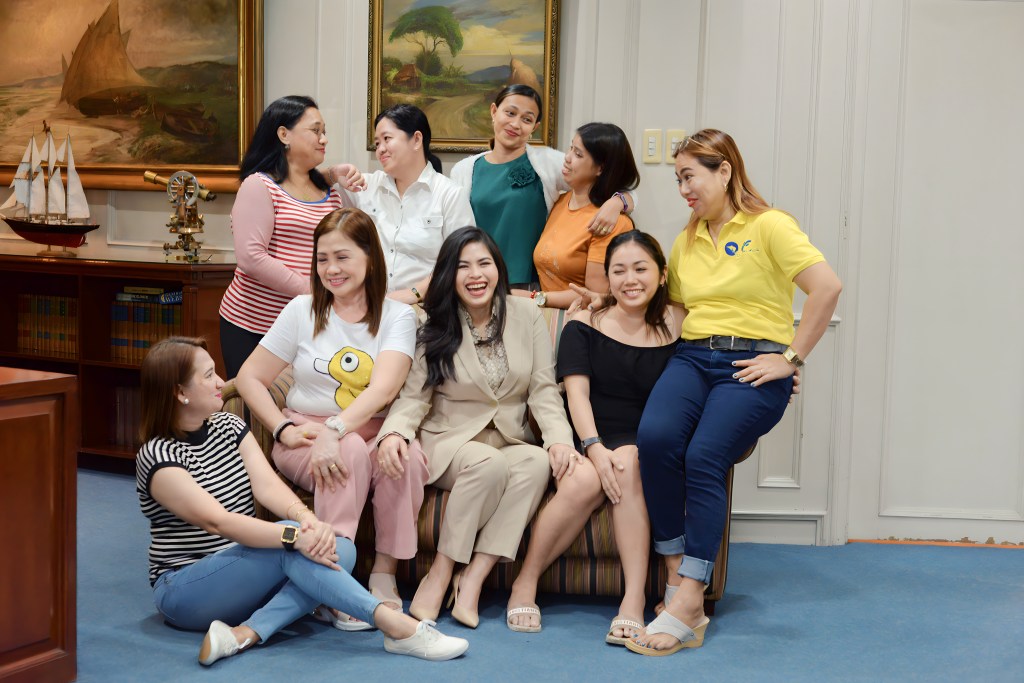
“Once, a member had a heart attack, the wives supported her by taking turns in taking care of her daughter, preparing food, and even looking after her in the hospital. There’s also a wife who was diagnosed with cancer – one of the wives who took time to be with her for chemotherapy.”
“Seeing our group of wives grow – one even went back to school – and develop a strong support system for each other made me wish my Mom had that.” [continue at page 2]


 FAS Maritime
Leave a comment