

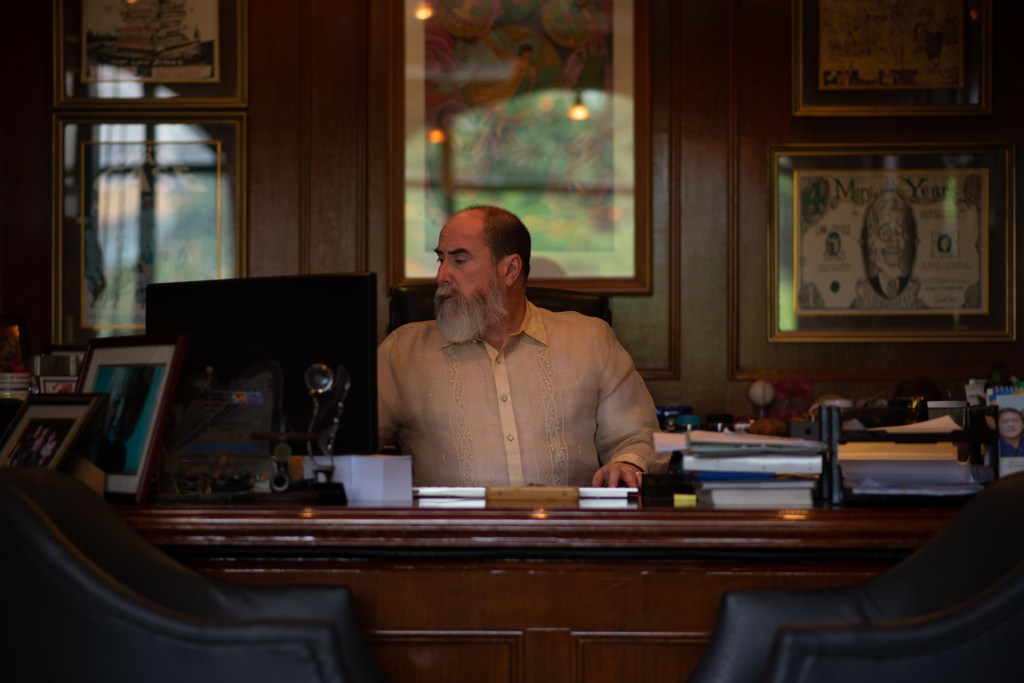
When asked what corrective measures need to be taken to stop this fraud scheme, Rocha replied, “The real remedy is for the government to take action by way of reform.” Such reforms, in Rocha’s view, should include the following: a) Introducing initiatives and changes to the current claims process; b) Shutting down opportunities for unscrupulous people to take advantage of loopholes in the system; c) Putting an escrow provision for disputed amounts in the proposed Magna Carta for Seafarers now being debated in the Senate; and d) Change the venue for claims disputes arbitration.
“In particular, instituting an escrow provision in the Magna Carta for Seafarers is crucial to deterring this practice of fraudulent claims, which is, in essence, ambulance chasing and an abusive manipulation of the seafarers’ compensation system.
“Changing the venue for arbitration is also a good idea. If it is found that the NLRC and NCMB are not competent enough to make fair and equitable decisions, then maybe arbitration can be moved to the Department of Migrant workers; create a Maritime Labor Relations Commission or an Admiralty Court that is run and presided over by maritime industry professionals. Let the arbiters be industry professionals who understand the nuances and idiosyncrasies of the maritime industry,” Rocha explained.
Rocha advises seafarers to be wary of, and avoid at all costs, the seduction of easy wealth promised by ambulance chasers and scammers. Instead, they should approach their respective manning agencies.
“In our company, we explain to our seafarers that, as a licensed manning agency in the Philippines, we are committed to upholding the standards of the POEA and protecting our Filipino workers. They should not be afraid to come to us when they have issues with their disability claims or other problems with their employers. Our goal is to give them the care and treatment they need, rehabilitate them to fitness, and help them to continue a long career at sea.
“With regard to reforms, I work not only through my own channels but through the associations of maritime employers like Filipino Association for Mariner’s Employment (FAME), or the Joint Manning Group, or the ALMA Maritime Group, to promote lobbying with the government to seek the kinds of reforms that we’re looking for. By seeking out and promoting reform we stand the best chance of fighting for the industry and the country. As far as we’re concerned, we just make sure our seafarers are treated and handled correctly. We make sure to remain in contact with them through their rehabilitation process, and make sure they are treated with fairness and given what is due to them. When we work closely with our seafarers, 90 percent of them regain fitness and rejoin the ships. The ones who do things the wrong way are really the exceptions to the rule.
“Unfortunately, the consequences are so severe and so costly, that it doesn’t take much — just 2 or 3 bad seafarers to fall in with ambulance-chasing lawyers and the syndicate — to cast a negative impression on our industry. Doubt, mistrust, and loss of confidence are created in employers to the point where they start to think it’s no longer worth it to do business with the Philippines,” Rocha said. [continue at page 4]


 FAS Maritime
Leave a comment